Dental Implants in Champaign-Urbana
Dental implants can replace one or more missing teeth. After a personalized evaluation, our team can recommend the most appropriate treatment for your needs.
What is a dental implant?
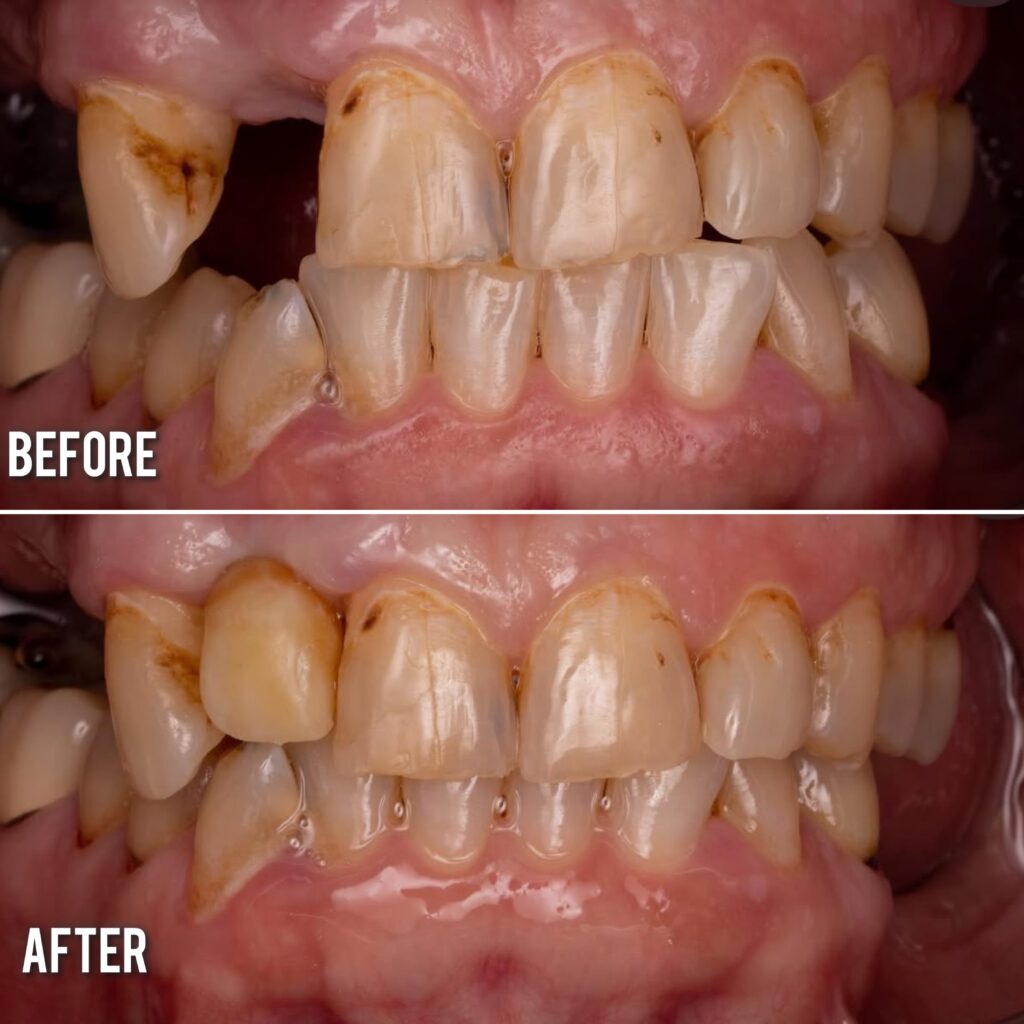
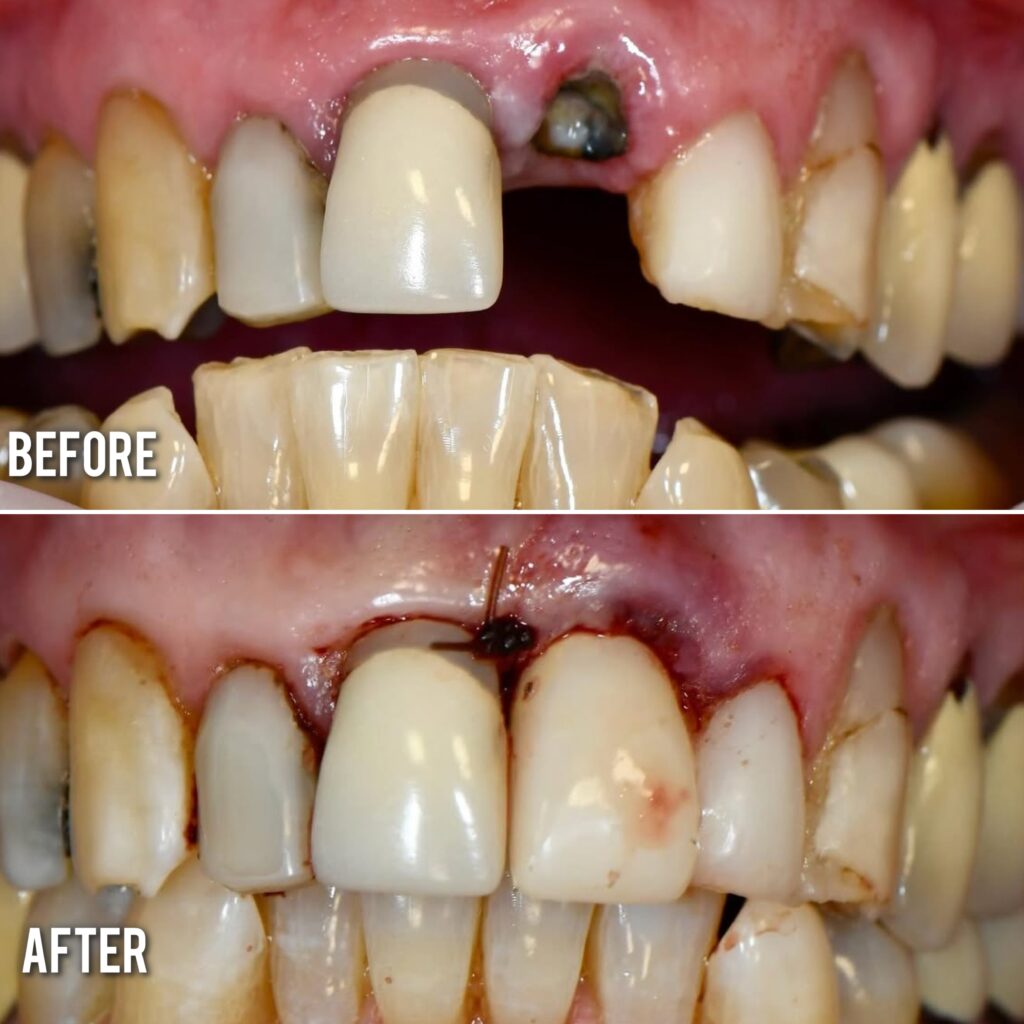
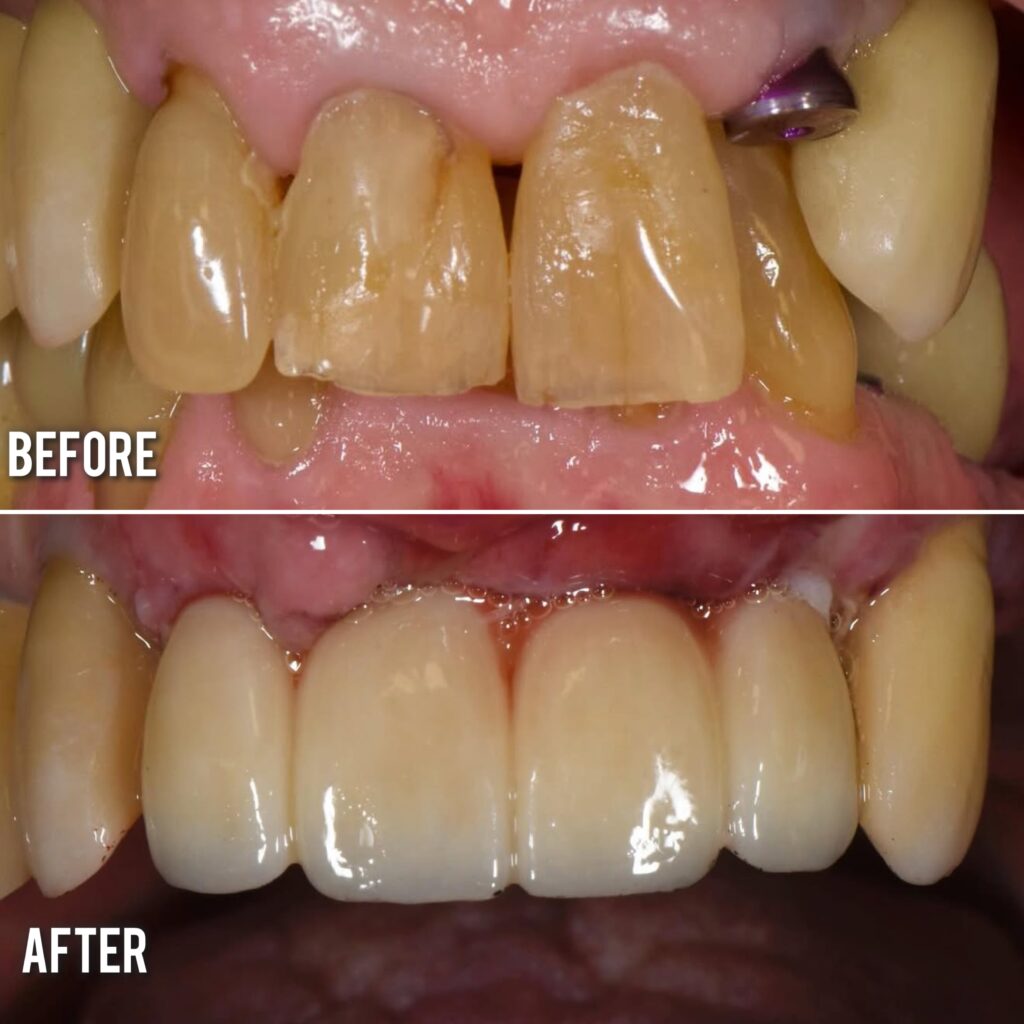
A dental implant is a replacement tooth option that uses an implant placed in the jaw to support a crown or bridge. The right approach depends on how many teeth are missing and the details of your exam.
Single implant crown
A single implant crown replaces one missing tooth with an implant-supported crown that functions like a standalone tooth.
Implant-supported bridge
An implant-supported bridge replaces multiple missing teeth by connecting a restoration to strategically placed implants.
Implant number and placement depend on anatomy, bone, bite, restorative space, and your treatment goals.
Materials used in dental implant restorations
Dental implant restorations may include crowns, bridges, and temporary teeth. The material selected depends on the stage of treatment, the restoration design, repairability, bite forces, hygiene needs, and your treatment goals.
Temporary Teeth for Front Teeth
For implants replacing front teeth, we typically fabricate a temporary prosthesis to carefully shape and contour the surrounding gum tissue, helping create the most natural and esthetic final result.
Custom-Milled Abutments
The connector under your crown is a custom-milled abutment designed for a precise fit and natural look at the gumline. Back teeth may use durable titanium abutments, while front teeth may require a more advanced titanium-ceramic hybrid to achieve the highest esthetic result.
Ceramic and zirconia crowns
Ceramic and zirconia are commonly used for final implant crowns because they offer strength, a natural appearance, and good long-term performance for single-tooth restorations.
Replace Missing Teeth With Dental Implants
Dental implants may replace one tooth or several teeth. After a personalized examination and imaging, they may help restore chewing, speech, appearance, and confidence.

What recovery may involve
Recovery varies with the number of implants placed, whether extractions or grafting are part of treatment, whether sedation is used, your general health, and how your body heals. Your clinical team will provide instructions based on your procedure.
Pain and swelling
Soreness, swelling, bruising, and tightness are common after dental implant surgery. Medication, cold compresses, rest, and following post-operative instructions can help.
Anesthesia and sedation
Treatment will involve local anesthesia, with sedation options considered according to your health, anxiety, procedure, and available clinical services. Sedation requires appropriate screening and transportation planning.
Time away from work
Many patients return to work after one or two days, but extractions, grafting, more involved treatment, or physically demanding jobs may require additional recovery time. Personalized guidance is provided after reviewing your treatment plan.
Eating during healing
Most patients can continue eating a varied diet during healing, but you should avoid chewing directly on the surgical site and choose softer foods for the first few days as comfort requires. Any restrictions depend on implant location, grafting, and the clinician’s instructions.
Smoking, uncontrolled medical conditions, poor oral hygiene, excessive bite forces, and not following post-operative instructions can affect healing and long-term stability. Our team will discuss risk factors that apply to you.
Clear answers about dental implants
These answers provide general education. Your examination, imaging, health history, and treatment goals determine what is appropriate for you.
Can implants replace one or several teeth?
Who places the implants at Q Dental?
Are implants as good as real teeth?
What happens if I don't replace a missing tooth?
Will I need a bone graft before my implant?
How long does the implant process take from start to finish?
Will I be sedated during my implant surgery?
Will I have temporary teeth?
What materials are used for implant crowns and bridges?
Do I have to clean my implant differently?
Can dental implants fail?
Does Q Dental offer a warranty on dental implants?
Have a question about cost? See how insurance and financing work at Q Dental.