Cosmetic Dentistry in Champaign-Urbana

Dental Bonding in Champaign, IL

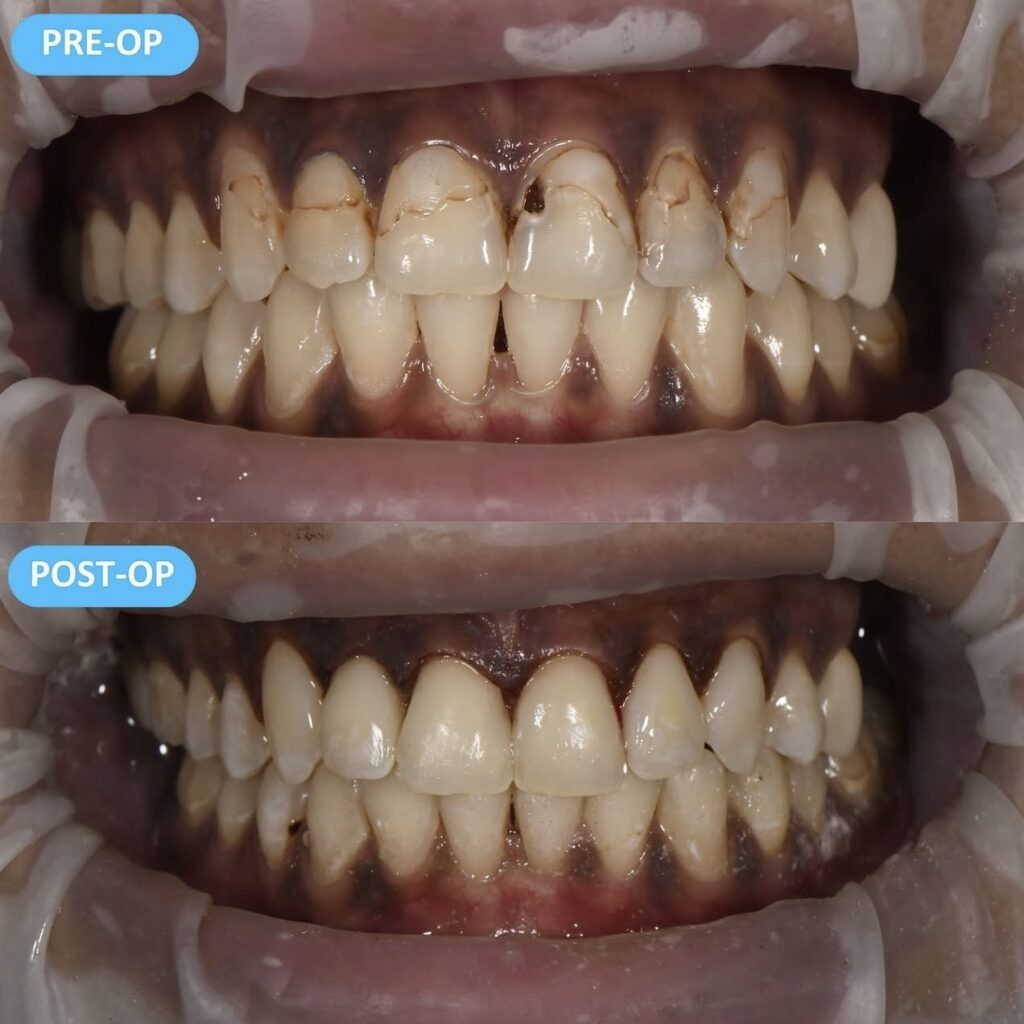
Bonding repairs a chipped tooth, closes a small gap, or evens out a worn edge with tooth-colored composite, shaped by hand and usually finished in one visit. At Q Dental in Champaign, IL, bonding is part of our cosmetic dentistry options, and we shape it with a guide made from your approved design, so the result follows the plan, not a guess.
Is it right for you

When bonding makes sense, and when it doesn’t

Bonding is usually the first thing we reach for, because it changes the least. It is also not the answer to everything, and we will tell you when it isn’t.

Often a good fit

Chips, small gaps, and worn edges

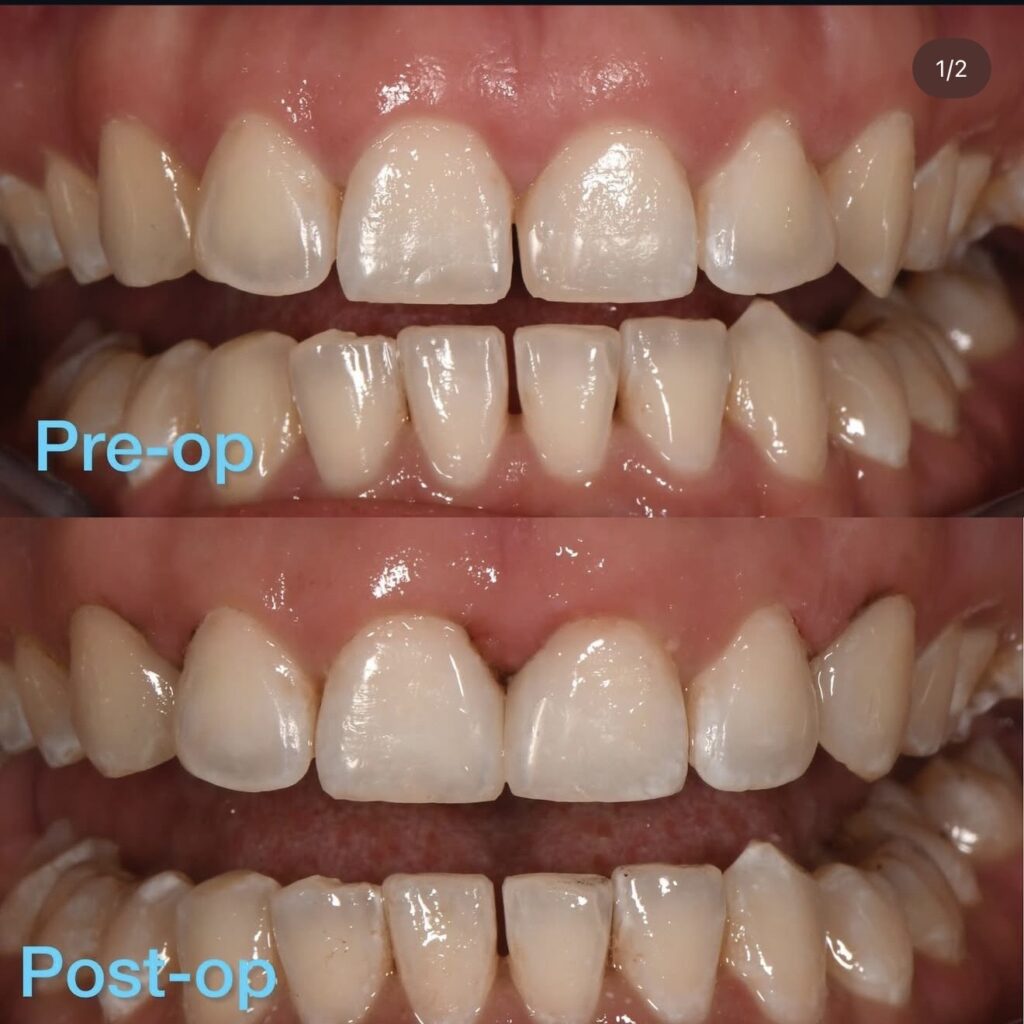
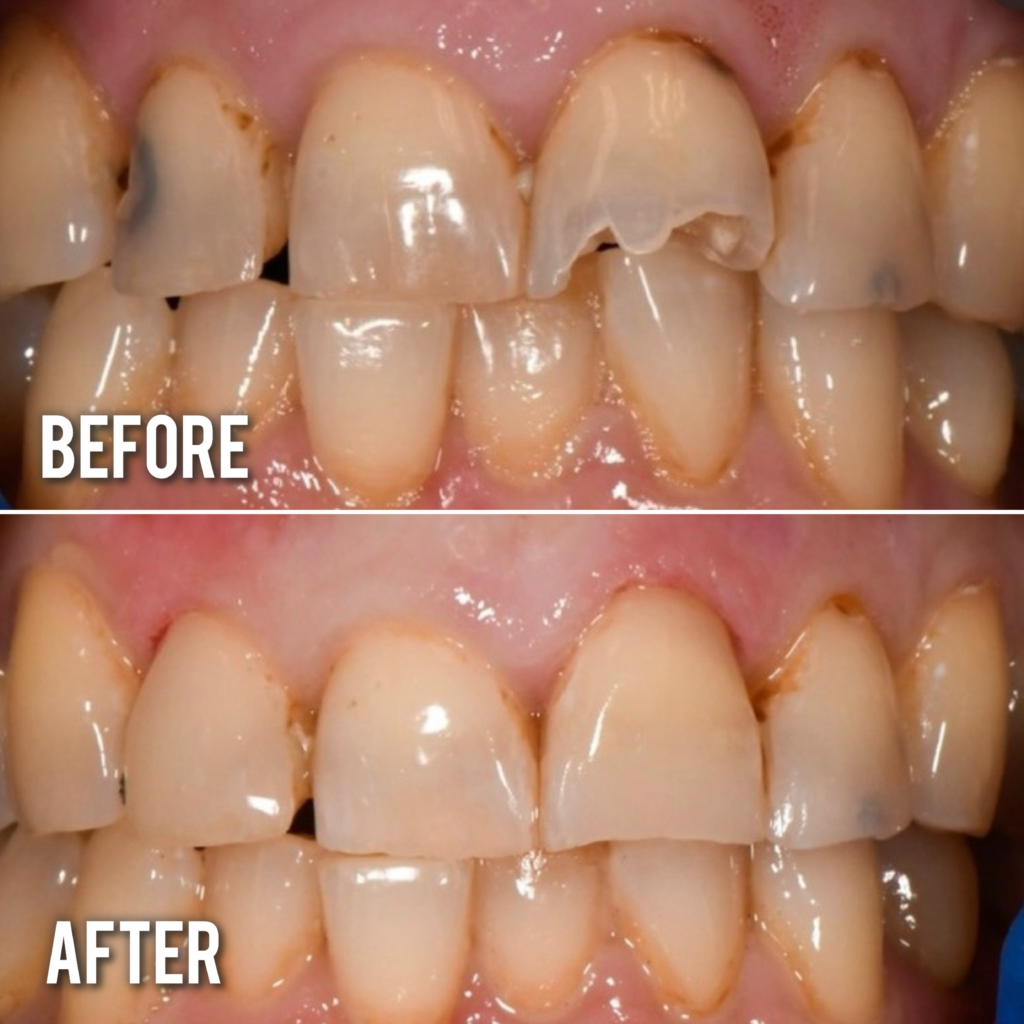
Bonding works best on one or a few teeth that need a small change: a chipped corner, a gap between the front teeth, an edge that has worn uneven, or a single tooth that is darker than its neighbors.

Maybe something more

When a veneer is the better route

If you want to change the shape or color of several front teeth at once, or a tooth needs more coverage than composite can give, a veneer will hold up better. Our approach is less is more, so we only go further when bonding would not get you there.

Checked first

Healthy teeth and gums

Before any bonding, your teeth and gums need to be healthy. Cavities and gum disease are treated first, and if you grind your teeth, we plan for that, because bonding on a front tooth takes the force of your bite.

Compare your options

Bonding, 3D-printed veneers or ceramic veneers?

Bonding is the smallest change, and often it is enough. When it is not, 3D-printed and ceramic veneers are the next steps up. All three can improve how front teeth look; they differ in what they are made of, how they are made, and how much they change.

Composite bonding procedure
Shaped by hand in the office

Bonding

Tooth-colored composite shaped by hand on the tooth to repair a chip, close a small gap, or even out an edge. Usually finished in one visit.

Material
Tooth-colored composite resin
Visits
2: records and planning, then the procedure
How long it lasts
Bonding usually lasts several years. It can stain or chip over time, and it is easy to repair.
Best for
Small chips, small gaps, and uneven edges
3D printer
Printed in our office

3D-printed veneers

Veneers designed digitally and printed on our own 3D printer, so your new smile comes together much quicker. The look is close to ceramic, about 90% of the way there.

Material
3D-printed resin
Visits
2: records and planning, then the procedure
How long it lasts
A newer option. If one chips, we simply reprint it.
Best for
A new smile sooner, without the investment of ceramic
Veneer milling
Made by a dental lab

Ceramic veneers

Thin ceramic shells bonded to the front surface of the teeth.

Material
Ceramic
Visits
3: records and planning, procedure & temporaries, then delivery
How long it lasts
About 9 in 10 or more are still in place at 10 years in published studies.
Best for
Changing the shape or color of several front teeth
Your bonding, step by step

The Q Dental Smile Design Experience

Step 1: Consultation

Your smile transformation begins with a conversation—not a procedure. We take the time to understand your goals, then choose the least invasive path that delivers the results you’re looking for. For many patients, that path is bonding.

Step 2: Records and Prototype Appointment

We collect photographs and digital impressions, then design your new smile. You get a 3D-printed mock-up you can see, feel, and even take home, and we finalize the design before any treatment starts.

Step 3: Bonding Visit

Using the mock up as a guide, we shape the composite directly on your teeth, so the final result closely follows the plan. Bonding usually needs little or no tooth preparation, and most cases are finished in this one visit.

Step 4: Finish and Polish

We check the fit, color, and harmony with your face and bite, then refine the details and polish the finish. For most bonding cases, you leave the same visit with your new smile.

Step 1
Step 2
Step 3
Step 4
Questions

Clear answers about dental bonding in Champaign-Urbana

Bonding is one of several cosmetic options. See veneers or all cosmetic dentistry at Q Dental.

What can bonding fix?
Chipped corners, small gaps between teeth, worn or uneven edges, and a single tooth that is darker than the ones beside it. It is also used to reshape peg laterals, the small or pointed teeth beside the two front teeth.
Is bonding the same as a filling?
It uses the same tooth-colored composite, but a filling repairs decay and bonding reshapes the outside of a healthy tooth. Both are shaped by hand and hardened with a light.
How many visits does bonding take?
Two: one for records and planning, one for the procedure. Most bonding is finished in that second visit, so you leave with your new smile the same day.
Does bonding hurt?
Bonding usually needs little or no tooth preparation. When a tooth does need reshaping, we use local anesthesia and make sure you are comfortable throughout. Some cold sensitivity afterward is normal, but it should not last more than a day or two.
How long does bonding last?
Bonding usually lasts several years. It depends on how you take care of it and where it sits in your bite. Good oral hygiene and having a night guard fabricated will help it last longer, and when it does chip or stain, it is easy to repair or polish.
Does bonding stain?
Composite resin can pick up stains over time, especially from coffee, tea, and red wine. At your regular recare visits, we can polish it to remove or reduce staining.
Can bonding be redone later?
Yes. Because bonding usually needs little or no tooth preparation, it can be adjusted, repaired, or replaced later, including with a veneer if your needs change.
How do I care for bonding?
Brush twice a day and floss daily. Avoid biting hard things like ice, pens, or fingernails with bonded teeth, and if you grind your teeth, consider getting fitted for a custom night guard. Keep your regular recare visits so we can check the edges and polish as needed.
Bonding or veneers?
Bonding changes the least and is done in one visit, so it is where we start for small fixes. Veneers make more sense when several front teeth need a change in shape or color, or when you want something that lasts longer. Dr. Kelvin Jung and Dr. Comer both do bonding and veneers, and either of them will tell you which one fits.
How much does bonding cost?
The price depends on how many teeth are involved and how much each one needs. Because of that, we don’t give a single number. You get a written treatment plan and estimate at your consultation, and we offer financing options to help.
Does insurance help with bonding?
Bonding done for cosmetic reasons is usually not covered. Bonding that repairs a chipped or broken tooth sometimes is. We check your plan and go over it with you, and our insurance and financing page explains the options.