A clear plan for replacing missing teeth

Dental Implants in Champaign-Urbana

Dental implants can replace one or more missing teeth. After a personalized evaluation, our team can recommend the most appropriate treatment for your needs.
Start with the terminology

What is a dental implant?

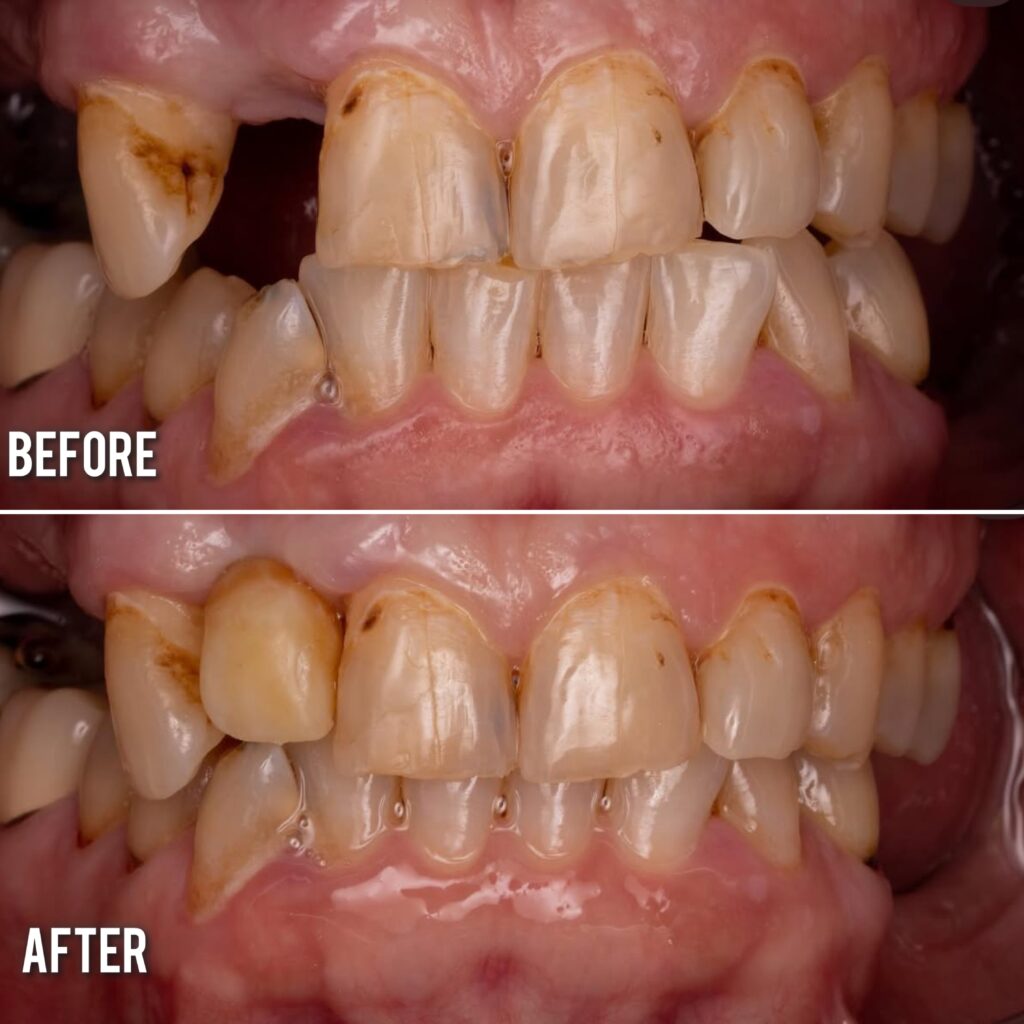
A dental implant is a replacement tooth option that uses an implant placed in the jaw to support a crown or bridge. The right approach depends on how many teeth are missing and the details of your exam.

Single tooth

Single implant crown

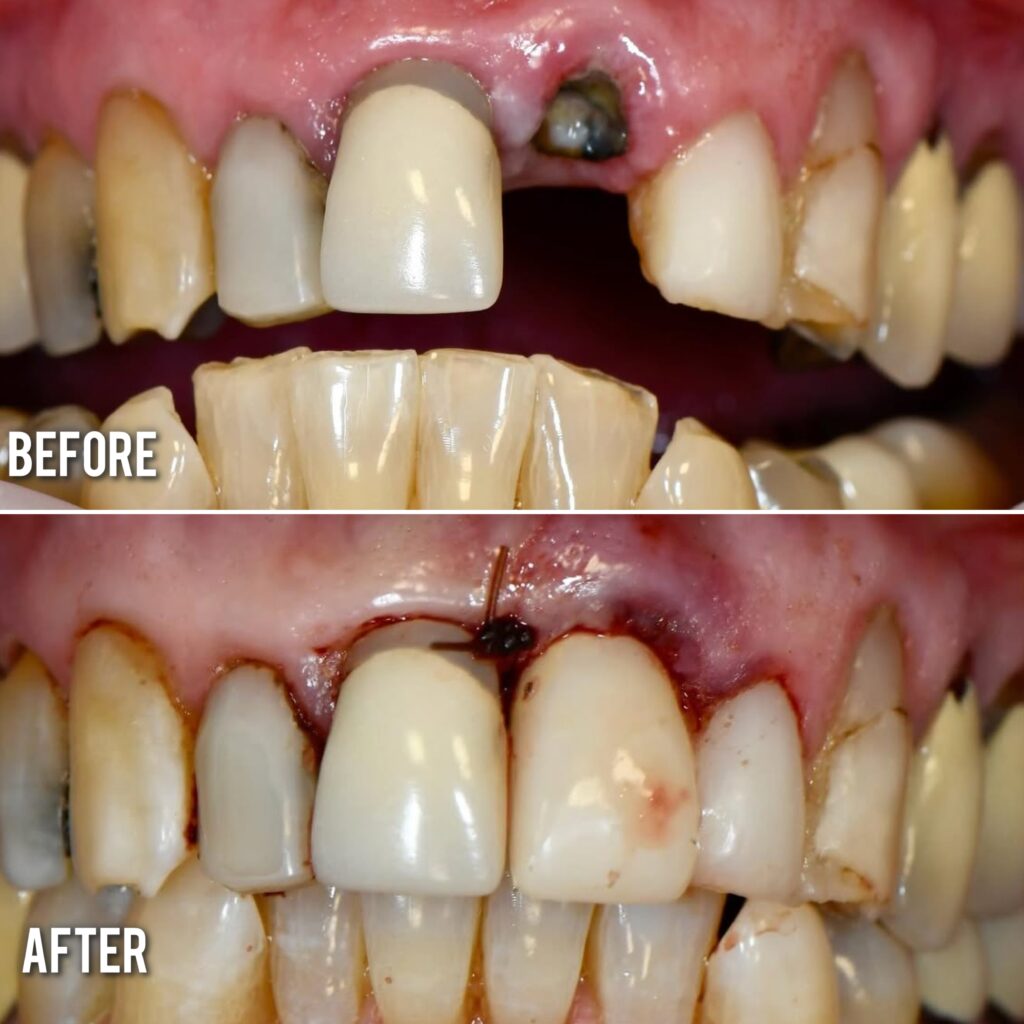
A single implant crown replaces one missing tooth with an implant-supported crown that functions like a standalone tooth.

Several teeth

Implant-supported bridge

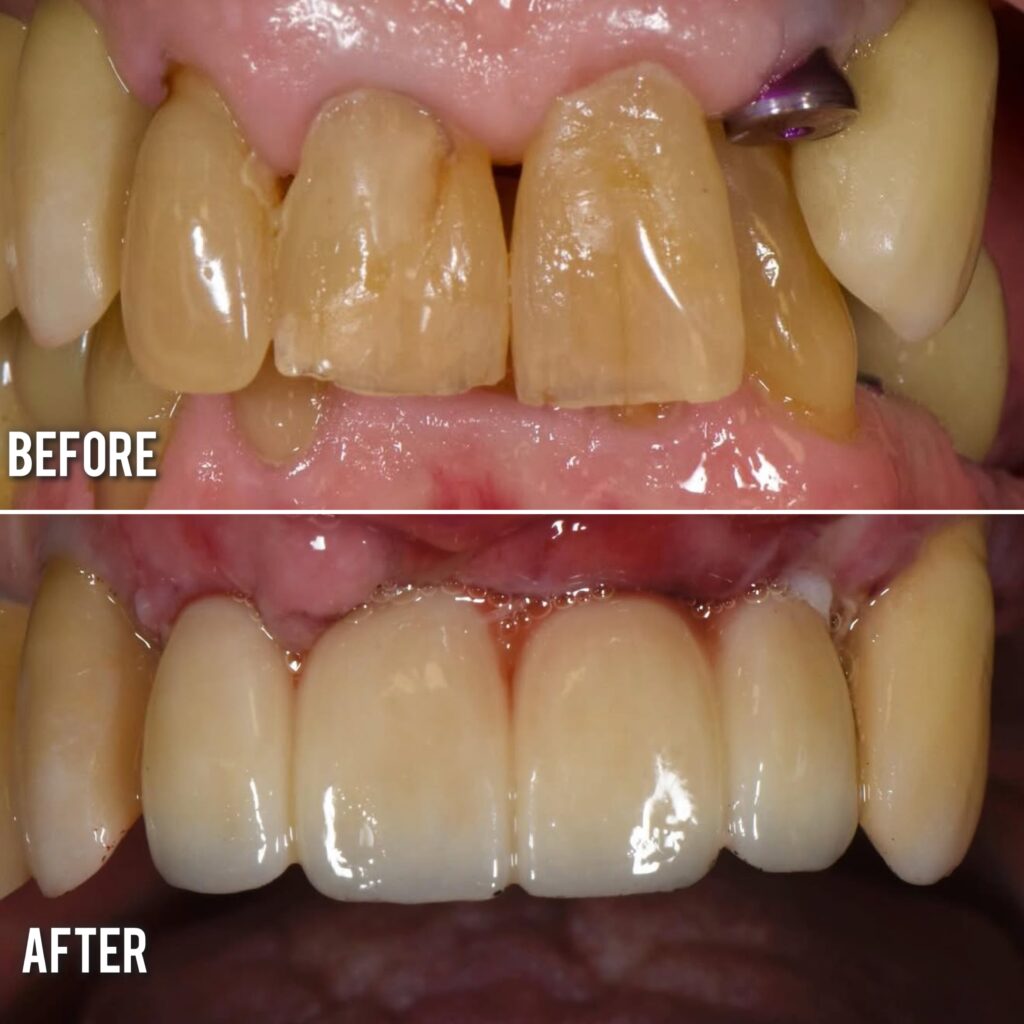
An implant-supported bridge replaces multiple missing teeth by connecting a restoration to strategically placed implants.

Implant number and placement depend on anatomy, bone, bite, restorative space, and your treatment goals.

Your treatment, step by step

What to Expect During Your Implant Treatment

Step 1: Consultation

Your implant consultation at Q Dental is all about your smile goals. Our team will listen closely to what you want to restore — whether it’s one tooth or several — and build a customized treatment plan around your needs. From a single implant to an implant bridge, we’ll walk you through every option and make sure you feel confident in your path forward. Our treatment coordinators handle the cost and financing side, making sure nothing stands between you and your smile. We're here to make the process smooth, transparent, and stress-free.

Step 2: Records Appointment

Your records appointment is where we gather everything needed to plan your implant treatment with precision. We'll take digital impressions, photographs, and a cone beam CT scan to evaluate your bone volume, bite, and jaw anatomy in three dimensions.

For single implants, these records are used to design a custom surgical guide, so each implant goes where it was planned. For implant bridges, they allow Dr. Kelvin Jung to map out every implant position before a single incision is made. Every detail is planned in advance so your treatment is predictable, efficient, and built around you.

Step 3: Treatment Start

This is where your plan becomes real. Using the digital surgical guide created from your records appointment, Dr. Kelvin places your implants following that plan. The procedure is performed under local anesthesia, with sedation options available if you prefer. For most single-implant cases, the appointment takes 60–90 minutes. When a front tooth is involved, we typically make a temporary tooth so you are not left with a visible gap while you heal. We'll send you home with detailed care instructions for the surgical site, what to expect during the first few days of healing, and direct contact information in case anything comes up. From here, your jawbone begins integrating with the implants over the next 3–6 months.

Step 4: Completion

Once your implants are fully integrated with your bone, it's time to deliver your final restoration. At this visit, we attach your custom crown or bridge — designed digitally for precise fit, accurate color match, and a natural appearance. We carefully check your bite, make any final adjustments, and walk you through how to care for your new teeth long-term: brushing, flossing, water flosser use for implant bridges, and the importance of regular hygiene visits to keep the surrounding gum and bone healthy. Most patients leave this appointment with a smile that feels and looks like it's always been there.

Step 1
Step 2
Step 3
Step 4
Materials in plain language

Materials used in dental implant restorations

Dental implant restorations may include crowns, bridges, and temporary teeth. The material selected depends on the stage of treatment, the restoration design, repairability, bite forces, hygiene needs, and your treatment goals.

Temporary Teeth for Front Teeth

For implants replacing front teeth, we typically fabricate a temporary prosthesis to carefully shape and contour the surrounding gum tissue, helping create the most natural and esthetic final result.

Custom-Milled Abutments

The connector under your crown is a custom-milled abutment designed for a precise fit and natural look at the gumline. Back teeth may use durable titanium abutments, while front teeth may require a more advanced titanium-ceramic hybrid to achieve the highest esthetic result.

Ceramic and zirconia crowns

Ceramic and zirconia are commonly used for final implant crowns because they offer strength, a natural appearance, and good long-term performance for single-tooth restorations.

Replace Missing Teeth With Dental Implants

Dental implants may replace one tooth or several teeth. After a personalized examination and imaging, they may help restore chewing, speech, appearance, and confidence.

Planning for the healing period

What recovery may involve

Recovery varies with the number of implants placed, whether extractions or grafting are part of treatment, whether sedation is used, your general health, and how your body heals. Your clinical team will provide instructions based on your procedure.

Pain and swelling

Soreness, swelling, bruising, and tightness are common after dental implant surgery. Medication, cold compresses, rest, and following post-operative instructions can help.

Anesthesia and sedation

Treatment will involve local anesthesia, with sedation options considered according to your health, anxiety, procedure, and available clinical services. Sedation requires appropriate screening and transportation planning.

Time away from work

Many patients return to work after one or two days, but extractions, grafting, more involved treatment, or physically demanding jobs may require additional recovery time. Personalized guidance is provided after reviewing your treatment plan.

Eating during healing

Most patients can continue eating a varied diet during healing, but you should avoid chewing directly on the surgical site and choose softer foods for the first few days as comfort requires. Any restrictions depend on implant location, grafting, and the clinician’s instructions.

Smoking, uncontrolled medical conditions, poor oral hygiene, excessive bite forces, and not following post-operative instructions can affect healing and long-term stability. Our team will discuss risk factors that apply to you.

Frequently asked questions

Clear answers about dental implants

These answers provide general education. Your examination, imaging, health history, and treatment goals determine what is appropriate for you.

Can implants replace one or several teeth?
Yes. A single implant crown replaces one missing tooth, and an implant-supported bridge replaces several. The right plan depends on your remaining teeth, bone support, bite, and treatment goals. If you need a full row of teeth replaced, see our full-arch dental implants (All-on-X) page.
Who places the implants at Q Dental?
Dr. Kelvin Jung places implants here in our Champaign office. He has completed the GDIA advanced surgical course, and he plans each case with a 3D scan and a custom surgical guide before treatment starts.
Are implants as good as real teeth?
Honestly, no — natural teeth are still the gold standard. A real tooth has a ligament that absorbs force, sensory feedback, and natural integration with bone. Implants are titanium screws fused to bone — incredibly strong and predictable, but they don't have the nerve feedback or natural cushioning a real tooth has. Implants can't get cavities, but they CAN get gum disease around them. Bottom line: if there's a way to save your real tooth, save it. If a tooth is genuinely lost, an implant is the closest thing modern dentistry can offer.
What happens if I don't replace a missing tooth?
Three things start happening, slowly and predictably: the bone in the area starts shrinking (without a tooth root, the body resorbs bone), the surrounding teeth start drifting into the empty space, and your bite begins to change — which can lead to TMJ issues, cracked teeth elsewhere, or premature aging of the lower face. Bone loss is the biggest issue: the longer you wait, the harder and more expensive implant placement becomes, sometimes requiring bone grafting that wouldn't have been needed if you'd treated the gap sooner. Not every missing tooth has to be replaced — but ignoring the gap isn't free.
Will I need a bone graft before my implant?
Not always. In published clinic studies, roughly 40–60% of implants needed some kind of bone augmentation, depending on how long the tooth has been missing and the original cause of the loss. We use 3D CBCT scans to measure your bone before recommending anything. Bone grafting can range from a small socket preservation graft at the time of extraction (very common, low-impact) to a more substantial sinus lift or block graft for severely deficient bone. The right answer depends on your specific anatomy. We won't recommend grafting you don't need.
How long does the implant process take from start to finish?
Typically 5–10 months for a standard case. A typical timeline: consultation and 3D scan (1 visit), implant placement surgery (1 visit), 3–6 month healing period for bone integration, then crown placement (1–2 visits). If you need bone grafting first, add 3–6 months to the front end. Some cases qualify for immediate placement — implant placed at the same visit as the extraction — which compresses the timeline. We map your specific timeline at consultation.
Will I be sedated during my implant surgery?
Sedation options are available — but for many patients, they're optional. For most single-implant cases, local anesthesia alone is sufficient: you're awake but feel no pain during the procedure. For patients with anxiety or complex cases, we offer oral sedation and IV sedation in partnership with our trusted local mobile anesthesia team. IV sedation puts you in a relaxed twilight state — technically awake, but most patients don't remember the procedure afterward. We discuss the right sedation level for your specific case at consultation. Comfort is part of the plan — no one needs to tough it out.
Will I have temporary teeth?
Often, yes. When a front tooth is involved, we typically make a temporary tooth so you are not left with a visible gap while you heal. Temporary teeth are for appearance and light function during healing; they are not the final restoration.
What materials are used for implant crowns and bridges?
Final implant crowns and bridges are most often ceramic or zirconia, chosen for strength and a natural appearance. Temporary teeth use a lighter material while you heal. Dr. Kelvin will explain which material fits your tooth and your bite.
Do I have to clean my implant differently?
Mostly the same as a real tooth — brush twice a day, floss daily — with a few additions. We typically recommend a water flosser, especially for implant bridges, where flossing under the bridge matters. Don't skip your hygiene visits — implants can develop peri-implantitis without obvious symptoms, and we screen for it at every checkup. Avoid smoking; it dramatically increases the risk of implant failure. And if you grind, wear your nightguard — implants don't have a ligament to absorb force, so grinding is harder on them than on real teeth.
Can dental implants fail?
Yes — though the success rate of modern implants is high, around 95–97% at 10 years in published studies. When implants fail, it's usually for one of these reasons: bone didn't fully integrate (this happens in the first few months, if at all); peri-implantitis, which is a gum and bone infection around the implant; smoking; uncontrolled diabetes; or excessive bite forces from grinding. We use 3D CBCT planning, guided surgery, and careful patient screening to minimize failure risk. If an implant does fail, it can usually be removed, the site allowed to heal, and a new implant placed.
Does Q Dental offer a warranty on dental implants?
Yes. Our warranty is 10 years, no questions asked, and it covers both the implant and the crown or bridge on it. It applies as long as you stay on a one-year recall schedule, meaning you come in for your recall visit at least once a year.